
Are you tired of unexpected charges eating into your bank account? Chase Bank’s monthly service fees might be quietly costing you more than you realize.

Understanding Chase Bank Monthly Service Fees can help you keep more money in your pocket each month. You’ll discover exactly what these fees are, why they happen, and simple ways to avoid them. Keep reading to take control of your finances and stop paying unnecessary fees.
Chase Bank Fee Basics
Chase Bank charges monthly service fees on many of its checking and savings accounts. These fees cover the cost of account maintenance and services. Understanding the basics of these fees helps you avoid unexpected charges.
What Are Monthly Service Fees?
Monthly service fees are fixed amounts taken from your account every month. They apply to many Chase accounts unless you meet certain requirements. These fees help Chase cover costs, such as customer support and online banking tools.
How Much Are The Fees?
| Account Type | Monthly Fee |
|---|---|
| Chase Total Checking® | $12 |
| Chase Premier Plus Checking® | $25 |
| Chase Savings | $5 |
Ways To Avoid Monthly Fees
- Keep a minimum daily balance in your account
- Have direct deposits totaling a certain amount each month
- Link your Chase checking and savings accounts
- Be under a certain age (student accounts may have no fees)
Why Chase Charges These Fees
Fees help Chase maintain its banking services. They cover costs like ATM access, fraud protection, and mobile banking. These fees also support customer service and branch operations.
Common Monthly Service Fees
Chase Bank charges various monthly service fees across different account types. These common monthly service fees help cover account maintenance and banking services. Understanding these fees can help customers manage their finances better and avoid unexpected costs. Chase offers ways to reduce or waive some fees based on account activity and balances.
Standard Checking Account Fees
Chase Checking Account Fees usually include a monthly service fee. This fee covers the costs of maintaining the account and providing banking services. The standard monthly account fee for Chase checking accounts is $12. Customers can avoid this fee by meeting one or more of the following conditions:
- Maintain a minimum daily balance of $1,500
- Have monthly direct deposits totaling $500 or more
- Link to a Chase Premier Plus Checking account
- Be under 24 years old with a student checking account
Below is a quick summary of the standard checking account fees:
| Fee Type | Amount | Waiver Options |
|---|---|---|
| Monthly Service Fee | $12 | Maintain a $1,500 balance or a $500 direct deposit |
| Overdraft Fee | $34 per item | Enroll in overdraft protection |
| Paper Statement Fee | $5 per month | Switch to e-statements |
Chase Fee Waiver options help reduce checking account fees. Customers should review account terms to avoid unnecessary costs. Managing balances and deposits effectively can help lower monthly service charges.
Savings Account Fees
Savings Account Charges at Chase usually include a monthly service fee of $5. This fee applies if the account balance falls below a set minimum. The typical minimum balance to avoid this fee is $300. Meeting this requirement helps avoid unnecessary Chase Bank Fees.
Other common savings account fees may include:
- Excess withdrawal fees for more than six transactions per month
- Paper statement fees if opting out of electronic delivery
Here is a breakdown of typical savings account fees:
| Fee Type | Amount | Waiver Options |
|---|---|---|
| Monthly Service Fee | $5 | Maintain a $300 balance |
| Excess Withdrawal Fee | $5 per transaction | Limit withdrawals to six per month |
| Paper Statement Fee | $5 | Choose e-statements |
Chase Banking Costs for savings accounts stay low with proper account management. Customers should watch balances and withdrawal counts to avoid extra charges. Knowing these savings account charges helps users keep more money in their accounts.
Business Account Fees
Business Banking Fees at Chase include monthly service charges based on the account type. The most common monthly account fee for Chase business checking accounts is $15. This fee can be waived by meeting certain requirements, such as:
- Maintaining a daily balance of $1,500 or more
- Linking the business account with a Chase private client relationship
- Making a minimum number of transactions monthly
Additional bank service fees may apply for cash deposits over specific limits and for extra transactions. Understanding these fees allows businesses to budget their banking costs efficiently.
| Fee Type | Amount | Waiver Options |
|---|---|---|
| Monthly Service Fee | $15 | Maintain a $1,500 daily balance |
| Transaction Fee | $0.40 per item over 100 | Keep transactions under 100 |
| Cash Deposit Fee | $2.50 per $1,000 over $7,500 | Limit cash deposits |
Chase Account Maintenance for business accounts requires attention to balances and transaction counts. Following these guidelines reduces monthly service charges and banking costs. Businesses benefit from careful monitoring of their Chase banking fees.
Fee Waiver Options
Chase Bank charges monthly service fees on many of its checking and savings accounts. These fees can add up over time, but Chase offers clear fee waiver options. These options help customers avoid fees by meeting simple requirements. Understanding these options can save money and make banking easier. Chase’s fee waiver rules focus on maintaining balances, setting up direct deposits, or using student accounts. Each option suits different banking needs and lifestyles.
Minimum Balance Requirements
One common way to avoid Chase’s monthly service fees is by keeping a minimum balance in your account. This means you must have a certain amount of money in your checking or savings account at all times. Chase sets specific minimum balance amounts depending on the account type.
Here are the typical minimum balance rules for fee waivers:
- Chase Total Checking®: Keep a $1,500 minimum daily balance.
- Chase Premier Plus Checking®: Maintain a $15,000 combined balance across qualifying Chase accounts.
- Chase Savings: Maintain a $300 minimum daily balance.

| Account Type | Minimum Balance to Waive Fee | Fee Amount |
|---|---|---|
| Chase Total Checking® | $1,500 daily balance | $12 |
| Chase Premier Plus Checking® | $15,000 combined balance | $25 |
| Chase Savings | $300 daily balance | $5 |
Meeting minimum balance requirements is easy for customers with steady income or savings. It also encourages saving money while avoiding fees. Chase updates these amounts occasionally, so checking the current numbers helps.
Direct Deposit Criteria
Another way Chase waives monthly fees is through direct deposit. This means regularly depositing money from an employer or government payment directly into your Chase account. The bank offers fee waivers if you receive a set amount each month via direct deposit.
Key points about direct deposit fee waivers:
- Minimum amount: Deposit $500 or more each month to qualify.
- Frequency: Deposits must occur at least once per statement period.
- Eligible accounts: Applies mainly to checking accounts.
This option suits customers who receive paychecks or benefits electronically. It is a simple way to avoid fees without holding a high balance. Chase also allows multiple direct deposits to add up to the minimum amount.
| Account Type | Direct Deposit Amount | Fee Waiver |
|---|---|---|
| Chase Total Checking® | $500+ per month | Monthly service fee waived |
| Chase Savings | Not eligible | Fees apply |
Direct deposit is a convenient and automatic way to avoid fees. It also helps build financial habits by encouraging regular deposits.
Student Account Benefits
Chase offers special accounts for students that come with built-in fee waivers. These accounts recognize that students may have limited income and lower balances. The Chase College Checking® account is designed for students and offers no monthly service fees for up to five years while in school.
Important features of student accounts include:
- No monthly service fee for enrolled students aged 17 to 24.
- Access to Chase ATMs with no surcharge fees.
- Mobile banking tools to manage money easily.
- No minimum balance required to avoid fees.
These accounts help students manage money without extra costs. They also encourage responsible banking early on. Proof of enrollment is needed to open a student account and keep fee waivers active.
| Feature | Chase College Checking® |
|---|---|
| Monthly Service Fee | $0 for up to 5 years |
| Minimum Balance | Not required |
| Direct Deposit | Not required |
| Student Age Limit | 17 to 24 years |
Student accounts provide a fee-free banking experience during college years. They support financial learning and reduce banking costs.
How Fees Are Charged
Chase Bank charges monthly service fees on many of its accounts as part of its banking fee policies. Understanding how fees are charged helps customers manage their money better and avoid unexpected costs. The fees, often called account maintenance fees or monthly service charges, are deducted automatically based on the monthly fee schedule set by Chase. Knowing the fee waiver criteria can help customers reduce or skip these charges. This section explains the fee deduction process and the bank account balance impact of these fees.
Monthly Fee Deduction Process
Chase Bank follows a clear fee deduction process for collecting monthly service fees. These fees usually apply to Chase checking account fees and other account types. The fees are taken out automatically from your account on a set day each month.
Here is how the process works:
- Chase reviews your account on the scheduled monthly fee date.
- If your account does not meet the fee waiver criteria, the monthly service fee is applied.
- The fee amount is deducted directly from your available balance.
- You receive a transaction alert or statement showing the fee deduction.
Below is a simple table showing possible fee amounts and waiver options:
| Account Type | Monthly Fee | Fee Waiver Criteria |
|---|---|---|
| Chase Total Checking® | $12 | Direct deposit of $500+ per month or $1,500 minimum daily balance |
| Chase Premier Plus Checking® | $25 | $15,000+ combined balance in accounts |
| Chase Savings | $5 | $300 minimum daily balance or linked to a Chase checking account |
Impact On Account Balance
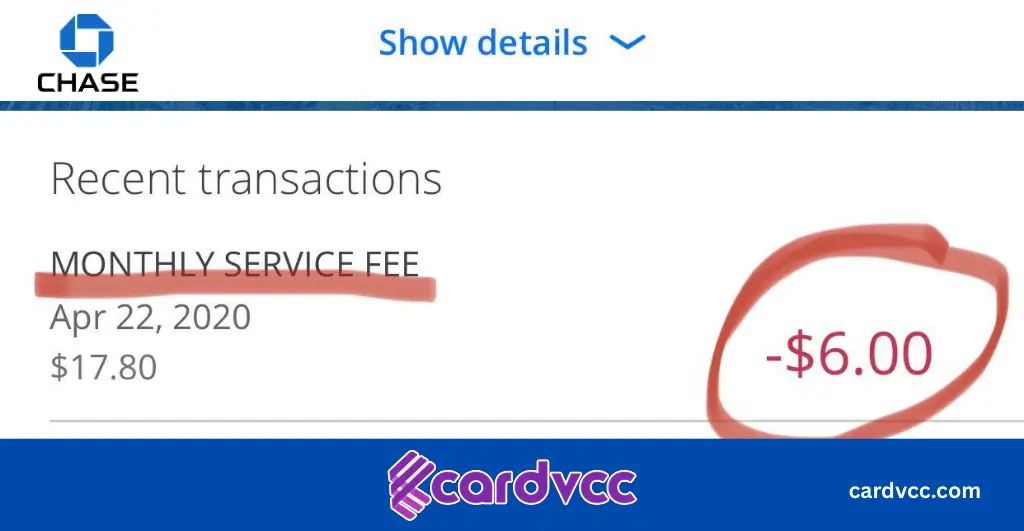
The monthly service charges directly impact your bank account balance impact directly. Each fee reduces your available money, sometimes leading to low balance issues or overdrafts.
Important points about how these fees impact your account:
- Reduced Funds: Fees lower your balance by the exact fee amount on the fee deduction date.
- Overdraft Risk: If your balance is close to zero, fees can trigger overdraft fees.
- Fee Stacking: Multiple fees can add up, increasing your monthly Chase account service costs.
- Waiver Benefits: Meeting the fee waiver criteria keeps your balance intact by avoiding fees.
Here is an example showing how fees affect a monthly balance:
| Starting Balance | Monthly Service Fee | Ending Balance |
|---|---|---|
| $1,000 | $12 | $988 |
| $50 | $12 | $-62 (Overdraft possible) |
Knowing the Chase bank fees and their timing helps customers keep their accounts healthy. Regularly checking your balance and understanding the monthly fee schedule reduces the chance of surprise charges.
Avoiding Monthly Fees
Chase Bank charges monthly service fees on many of its accounts. These fees can add up quickly and reduce the money in your account. Avoiding these monthly fees is smart. It keeps more cash in your pocket. It also helps you manage your money better. There are easy ways to avoid these charges with a little planning and effort.
Account Selection Tips
Choosing the right Chase account is the first step to avoiding monthly fees. Different accounts have different fee rules. Some accounts have no monthly fees if you meet simple conditions. Others charge fees unless you keep a high balance or set up direct deposits.
Here are some tips for picking an account:
- Check minimum balance requirements. Some accounts waive fees if you keep a set amount in your account.
- Look for accounts with no fees. Chase offers accounts designed for students or people who want no monthly fees.
- Review direct deposit rules. Many accounts waive fees if you receive regular direct deposits.
- Compare features. Higher-tier accounts often have better benefits but higher fees.
| Account Type | Monthly Fee | Fee Waiver Conditions |
|---|---|---|
| Chase Total Checking® | $12 | Direct deposit of $500 or a minimum daily balance of $1,500 |
| Chase Premier Plus Checking® | $25 | Minimum daily balance of $15,000 or a linked Chase savings account with $5,000 |
| Chase College Checking® | $0 | No monthly fee for up to 5 years while in college |
Choose an account that fits your banking habits. This lowers the chance of paying fees every month.
Using Chase Promotions
Chase often runs promotions that help customers avoid fees or earn bonuses. These promotions can reduce costs or add value to your account. Taking advantage of them can save you money.
Ways to use Chase promotions:
- Sign-up bonuses: Chase offers cash bonuses for opening new accounts and meeting certain requirements.
- Fee waivers: Some promotions waive monthly fees for a period after account opening.
- Referral programs: Invite friends to open accounts and earn rewards.
- Special offers: Look for seasonal or holiday promotions that lower fees or add benefits.
Promotions usually have rules, such as:
- Make a minimum deposit.
- Complete a certain number of debit card transactions.
- Set up direct deposit.
- Keep the account open for a specific time.
Tracking and using these promotions can help you avoid fees in the first months of your account. It also gives extra money or perks that offset costs.
Regular Account Monitoring
Keeping an eye on your Chase account is important to avoid monthly fees. Regular monitoring helps spot any charges or problems early. You can act before fees reduce your balance.
Steps for effective account monitoring:
- Check your account online: Use Chase’s mobile app or website to review your balance and transactions.
- Set up alerts: Get notifications for low balances, large transactions, or upcoming fees.
- Review statements monthly: Look for unexpected fees or errors that need correction.
- Track requirements: Make sure you meet fee waiver conditions like minimum balance or direct deposit.
Staying active with your account helps you avoid surprises. You can adjust your banking habits quickly to keep fees away.
Regular monitoring also protects your money from fraud or mistakes. Spotting issues early saves time and money.
Comparing Chase Fees To Other Banks
Chase Bank Monthly Service Fees are a key factor for many people. Understanding how these fees compare to those of other banks helps you choose the best option. Chase Savings Account Fees and Chase Checking Account Fees vary based on account type and usage. Waived Service Fees and Minimum Balance Requirements can reduce costs. Examining Chase Bank Fees alongside other banks shows the differences in Bank Account Maintenance Fees and Overdraft Fees. This comparison highlights Banking Service Costs and Monthly Service Charges, helping you see the full Fee Schedule clearly.
Comparing Chase Savings Account Fees
Chase charges a monthly service fee on many savings accounts. This fee is often waived if you keep a set minimum balance or meet other conditions. Other banks may offer lower fees or no fees at all. Some banks have no minimum balance requirements, making them cheaper for smaller savers.
| Bank | Monthly Savings Account Fee | Fee Waiver Conditions | Minimum Balance Requirement |
|---|---|---|---|
| Chase | $5 | Maintain a $300 minimum balance or automatic transfer | $300 |
| Bank A | $0 | None | None |
| Bank B | $3 | Maintain a $500 minimum balance | $500 |
Chase Checking Account Fees Vs Other Banks
Chase Checking Account Fees include monthly service charges. These charges can be waived by meeting certain criteria, such as a minimum daily balance or monthly direct deposits. Other banks may have lower fees or more flexible waiver options. Some banks do not charge monthly fees at all.
- Chase: $12 monthly fee, waived with $1,500 minimum daily balance or $500 direct deposit
- Bank A: No monthly fee on basic checking
- Bank B: $10 monthly fee, waived with a $1,000 balance
Overdraft Fees And Monthly Service Charges Comparison
Overdraft fees are a significant part of Chase Bank Fees. Chase charges $34 per overdraft item, which is common but can add up quickly. Some banks offer lower overdraft fees or overdraft protection to avoid charges. Monthly service charges vary widely and affect overall Banking Service Costs.
- Chase: $34 overdraft fee, $12 monthly service charge
- Bank A: $25 overdraft fee, no monthly service charge
- Bank B: $30 overdraft fee, $5 monthly service charge
Customer Support For Fee Issues
Dealing with Chase Bank Monthly Service Fees can be frustrating. Understanding how to get help is important. Customer Support for Fee Issues plays a key role in solving problems. Chase offers several ways to assist customers with questions about fees. This includes support for Chase Overdraft Fees and Monthly Maintenance Charges. Knowing how to reach out and what steps to take can save time and money.
Contacting Chase Support
Chase Customer Service is available to help with questions about Chase Checking Account Fees and other charges. You can contact them in multiple ways:
- Phone support for direct assistance.
- Online chat via Chase Online Banking Support.
- Visiting a local Chase branch.
- Use the Chase mobile app for quick help.
Here is a quick guide to contact options:
| Method | Details | Availability |
|---|---|---|
| Phone | Call 1-800-935-9935 for personal banking support. | 24/7 |
| Online Chat | Access via the Chase website or mobile app. | Daily, limited hours |
| Branch Visit | Speak directly with a banker. | During branch hours |
Before calling, have your account details ready. This helps speed up the process. Be clear about your issue, such as a question on Chase Fee Policy or unexpected charges. Chase support staff can explain fees and guide you through the next steps.
Disputing Fees
Customers can dispute charges they believe are incorrect. Disputing Bank Fees involves reviewing your account statements carefully. Check for errors in Chase Checking Account Fees or Chase Overdraft Fees. Follow these steps to dispute fees:
- Review your monthly statement for any unclear or wrong charges.
- Gather all related documents and transaction records.
- Contact Chase Customer Service to explain the issue.
- Request a formal review of the disputed fees.
- Wait for Chase’s response, which usually comes within 30 days.
Chase has a clear process to handle disputes. You can track your dispute through Chase Online Banking Support. Keep notes of all communications. This can help if you need a Bank Fee Refund. Remember, not all fees qualify for a refund, but it’s always worth asking. Being polite and clear increases the chances of a positive outcome.
Fee Adjustment Requests
Customers may request adjustments to fees. Account Fee Adjustments are often possible for Monthly Maintenance Charges or Chase Overdraft Fees. Here’s how to ask for a fee waiver or adjustment:
- Call Chase Customer Service and explain your situation.
- Ask specifically about a Chase Fee Waiver or reduction.
- Mention any long-term relationship with Chase or recent hardships.
- Request confirmation of any fee changes in writing.
Chase may grant adjustments based on your account history and the reason for the request. Being honest and clear helps. Sometimes, fees are waived as a courtesy or for first-time mistakes. Keep track of all fee adjustments to avoid surprises in future statements.
What Is Chase Bank’s Monthly Service Fee?
How Can I Avoid Chase Bank Monthly Fees?
Which Chase Accounts Have Monthly Service Fees?
Are Chase Bank Fees Refundable If Charged By Mistake?
Conclusion
Chase Bank’s monthly fees can affect your budget. Knowing fee amounts helps you avoid surprises. Many accounts offer ways to waive fees. Meeting simple requirements can save you money. Always review your bank statements carefully. Choose the account that fits your needs best.
Managing fees helps you keep more of your money. Stay informed and control your banking costs. Small steps make a big difference over time.