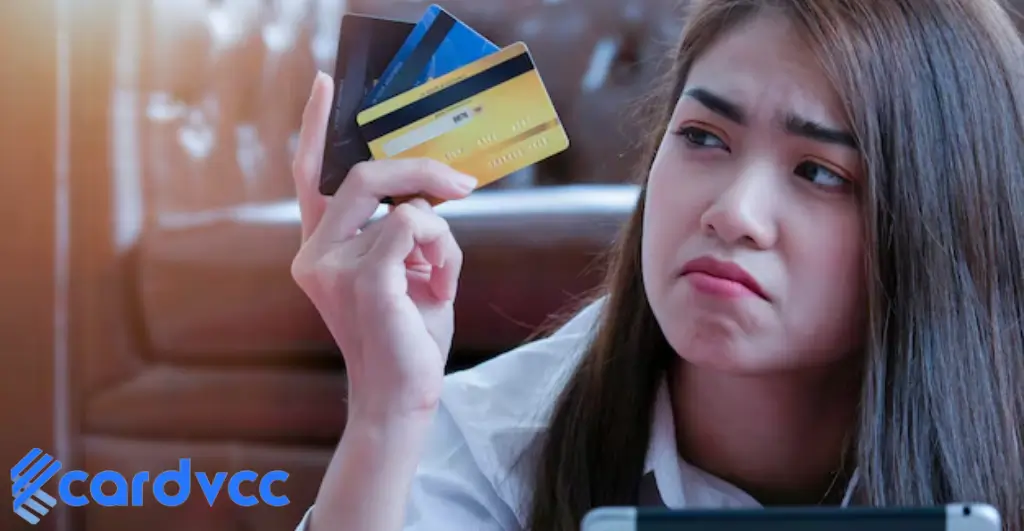
Imagine the feeling of dread when you realize you’ve maxed out your credit card. It’s a moment that can send a chill down your spine, knowing that your financial safety net just snapped.

But what does it mean when this happens? And more importantly, how does it impact you and your financial future? Understanding the consequences can feel overwhelming, but don’t worry, you’re not alone. In this blog post, we will unravel the mystery behind maxing out your credit card, equipping you with the knowledge to tackle this situation head-on.
Let’s explore the ripple effects it can have on your credit score, purchasing power, and peace of mind, empowering you with the tools to regain control. Keep reading, because this could be the financial wake-up call that changes everything for you.
Immediate Impact On Your Finances
Maxing out your credit card can lead to immediate financial strain. Interest rates soar, increasing your debt burden significantly. Credit scores may drop, limiting future borrowing options.
Maxing out your credit card can feel like the financial equivalent of hitting a brick wall. Suddenly, your financial flexibility is compromised, and the ripple effects can be immediate and far-reaching. Understanding what happens next is crucial for navigating through these murky waters and getting back on track.
Increased Monthly Payments
When you max out your credit card, your monthly payments will likely increase significantly. Credit card companies often require you to pay a minimum percentage of your outstanding balance. If your card is maxed, even the minimum payment can become burdensome.
Picture receiving your credit card statement and realizing your minimum payment has doubled overnight. It’s a wake-up call, urging you to reconsider your spending habits and prioritize your financial health.
Interest Accumulation
Another immediate impact is the rapid accumulation of interest on your maxed-out card. High balances mean more interest, which can make your debt spiral out of control quickly. A friend once maxed out her card during the holiday season, thinking she could pay it off with her tax refund.
By the time the refund arrived, interest had added hundreds to her debt. This scenario underscores the importance of understanding how fast interest can pile up. It’s crucial to have a strategy in place to tackle the balance before it grows unmanageable.
Have you considered how these changes might affect your day-to-day life? With increased payments and interest, you may find yourself cutting back on essentials or delaying other financial goals. This can be a sobering reality check. It’s vital to assess your financial situation critically and make informed decisions moving forward. Remember, the sooner you address a maxed-out card, the easier it will be to regain control of your finances.
Effect On Credit Score
Maxing out your credit card is like a financial alarm bell. It doesn’t just mean you’re close to your spending limit; it also has a ripple effect on your credit score. Understanding this impact can help you make informed decisions about your finances and avoid pitfalls that could harm your creditworthiness.
Have you ever wondered why your credit score dipped unexpectedly even though you paid your bills on time? Let’s explore one of the primary reasons: your credit utilization ratio.
Credit Utilization Ratio
Your credit utilization ratio is a crucial factor in calculating your credit score. This ratio is the percentage of your total available credit that you’re using. For example, if your card limit is $1,000 and your balance is $900, your utilization ratio is 90%. Experts suggest keeping this ratio below 30% to maintain a healthy credit score.
When you max out your card, this ratio skyrockets, signaling to lenders that you might be facing financial strain. Wouldn’t it be wiser to keep this ratio low and show lenders you can manage your credit responsibly?
Potential For Lower Scores
Maxing out your credit card doesn’t just increase your credit utilization ratio; it can also potentially lower your credit score. A high utilization ratio indicates a higher risk of default, which can be a red flag for lenders.
This risk perception can lead to a drop in your credit score, making it harder for you to secure loans or favorable interest rates in the future. Imagine the surprise of finding out your score has dropped significantly just because you charged a few extra purchases. Wouldn’t avoiding maxing out your card be a simple yet effective way to maintain your credit health?
In essence, keeping your credit utilization low and your balances manageable is a practical step toward safeguarding your credit score. By understanding the impact of maxing out your card, you can make smarter financial choices that benefit your long-term financial health. So, what actions can you take today to ensure your credit score remains robust?
Psychological Stress
Maxing out your credit card can lead to intense psychological stress. This stress isn’t just about the money. It’s about the emotional toll and mental burden. You feel trapped. You feel overwhelmed. Every purchase becomes a question. This constant worry can affect your daily life and well-being.
Anxiety And Financial Pressure
Financial pressure can trigger anxiety. You might worry about paying bills. You might fear unexpected expenses. This anxiety can keep you awake at night. It can make focusing difficult. You constantly think about your credit card debt. This anxiety can even impact your relationships. You might avoid social events. You might feel ashamed. Your mental health can suffer. It’s a cycle that’s hard to break.
Behavioral Changes
Maxing out a credit card can lead to behavioral changes. You might start avoiding the problem. You might ignore bank statements. You might avoid checking balances. This avoidance can worsen the situation. You might stop spending altogether. Or overspend to cope with stress. Your spending habits can become unpredictable. These changes can affect other areas of your life. Work, relationships, and leisure activities can suffer.

Limitations On Future Spending
Maxing out your credit card limits future spending freedom. Purchases decline, and financial flexibility reduces. Managing expenses becomes challenging, impacting financial health.
Maxing out your credit card may seem like a minor hiccup, but it comes with significant consequences. One of the most immediate effects is the limitation on your future spending. When your card reaches its limit, your financial flexibility takes a hit, affecting both your everyday purchases and your ability to handle emergencies.
Restricted Purchasing Power
Imagine you’re standing in line at your favorite store, ready to pay for a new gadget or that must-have piece of clothing. As you swipe your card, it’s declined. Why? Because you’ve maxed out your credit card. This is the reality of restricted purchasing power.
Your credit card, once a tool of convenience, becomes a constant reminder of financial constraints. You can no longer rely on it for spur-of-the-moment purchases or even planned expenses. This limitation requires you to rethink your spending habits and prioritize essential over discretionary spending.
Impact On Emergencies
Emergencies are unpredictable, and that’s why they’re called emergencies. A sudden car repair, an unexpected medical bill, or a home emergency can arise when you least expect it. If your credit card is maxed out, you might find yourself scrambling for solutions.
Without available credit, you lose a crucial safety net. It’s a scenario that forces you to consider alternative options like borrowing from family, dipping into savings, or even selling personal items. Ask yourself: Is this a situation you want to find yourself in during a crisis? Being proactive is key. It’s essential to maintain some available credit for emergencies.
If your card is maxed out, start working towards paying it down and creating a buffer. Your future self will thank you for it. Navigating the world of credit can be challenging, but understanding the limitations of maxing out your card can help you make informed decisions. How will you ensure your financial freedom remains intact?
Possible Penalties And Fees
Maxing out your credit card can feel like a financial rollercoaster, and not the fun kind. When you hit that credit limit, it’s not just the balance that’s maxed out; the repercussions can stretch far beyond the card itself. You might face penalties that could affect your financial health in the long run. Let’s dive into some of the possible penalties and fees you might encounter.
Overlimit Fees
Have you ever received a surprise bill for going over your credit limit? An overlimit fee is like a penalty for taking your credit card beyond its intended capacity. These fees can range from $25 to $35, depending on your card issuer. Imagine being charged extra just for buying that last-minute concert ticket. It’s a wake-up call to keep track of your spending.
Some issuers offer overlimit protection programs, but they might come with a cost. Consider whether this is an option worth opting into. Ask yourself: Is this extra fee worth the convenience?
Higher Interest Rates
Maxing out your card can lead to higher interest rates. Credit card companies may view you as a higher risk, increasing your rate accordingly. If you’re already paying a hefty interest rate, this increase can make your debt snowball quickly.
Picture this: Your rate jumps from 15% to 20%. The cost of carrying a balance becomes painfully expensive. Make sure you’re aware of how interest rates are calculated on your card. Could a higher rate push you further into debt?
When you max out your credit card, the repercussions are tangible and immediate. Overlimit fees and higher interest rates are just the beginning. By understanding these penalties, you can make informed decisions and avoid spiraling further into debt. So, are you ready to take control of your credit card usage?
Long-term Consequences
Maxing out your credit card can damage your credit score. High balances lead to hefty interest charges. Over time, this financial strain makes it hard to get loans or mortgages.
Maxing out your credit card can lead to a cascade of long-term consequences that might catch you off guard. While the immediate impact is often a hefty bill and steep interest rates, it’s the lingering effects that can truly alter your financial landscape. Let’s explore how debt accumulation and its impact on loan applications can shape your future.
Debt Accumulation
Once your credit card is maxed out, the path to debt accumulation becomes alarmingly straightforward. You might find yourself relying on other cards to cover expenses, leading to a cycle of borrowing. Interest compounds rapidly, and before you know it, you’re paying more in interest than the actual purchases.
This continuous cycle can result in thousands of dollars in debt, making it hard to regain control of your finances. You may have heard stories from friends who struggled for years to clear credit card debt. It’s easy to underestimate how quickly balances can snowball. The question is: how can you prevent this from happening?
Impact On Loan Applications
Having a maxed-out credit card can severely impact your chances of securing a loan. Lenders view high credit utilization as a red flag, indicating potential financial instability. Imagine applying for a mortgage with a maxed-out card. Your credit score might take a hit, affecting your eligibility and interest rates.
Higher interest rates translate to more expensive loans, eating away at your budget. It’s crucial to maintain a healthy credit profile. Consider how a maxed-out card could hinder your dreams of buying a home or starting a business. Are you willing to risk these opportunities for short-term indulgences?
Strategies To Mitigate Damage
Maxing out your credit card can feel overwhelming and stressful, but there are ways to ease the burden and get back on track. Knowing the right strategies to mitigate the damage can make all the difference. It’s important to act quickly and thoughtfully to prevent your financial situation from deteriorating further.
Creating A Payment Plan
Start by taking a deep breath and assessing your financial situation. Look at your income and expenses to see how much you can realistically pay each month. Prioritize paying more than the minimum payment to reduce your balance faster. Consider setting up automatic payments to avoid missed deadlines. This can help you stay consistent and avoid late fees.
You can also try the debt snowball method: pay off the smallest debt first to gain momentum and motivation. Have you ever wondered how small changes in daily spending can add up? Cutting back on non-essential expenses can free up extra cash for your credit card payments. Simple adjustments, like making coffee at home or canceling unused subscriptions, can create a significant impact over time.
Seeking Professional Help
If managing your debt feels like too much to handle alone, don’t hesitate to seek professional help. Credit counseling services can offer personalized advice and negotiate with creditors on your behalf.
They can help you create a manageable repayment plan tailored to your situation. Debt management programs might also be an option. These programs consolidate your debts into one monthly payment with potentially lower interest rates.
Be sure to research and choose reputable organizations to ensure you’re getting genuine assistance. Have you considered how speaking with a financial advisor could provide clarity? They can offer insights into managing your finances more effectively and help you avoid future pitfalls.
Remember, seeking help is a sign of strength, not weakness. Taking these steps can empower you to regain control over your finances. What action will you take today to move closer to financial freedom?
Prevention Techniques
Maxing out a credit card leads to financial stress. Avoiding this requires smart prevention techniques. Understanding these methods helps maintain healthy financial habits. This section explores budgeting tips and building savings. Both are essential to avoid maxing out your card.
Budgeting Tips
Creating a budget is crucial. Start by listing monthly expenses. Include rent, utilities, groceries, and transportation. Track every penny spent. This reveals spending patterns. Adjust your budget to limit unnecessary expenses. Set realistic financial goals. Sticking to a budget prevents overspending.
Use budgeting apps. They simplify tracking expenses. These apps offer alerts for spending limits. They provide insights into spending habits. This makes managing money easier. A budget keeps your finances in check.
Building Savings
Saving money provides security. Start with small amounts. Set aside a portion of your income. Aim for regular savings. This builds a financial cushion. Avoid dipping into savings for unnecessary purchases. Savings protect against emergencies.
Open a separate savings account. This prevents mixing funds. Automate transfers to your savings account. Consistent savings lead to financial growth. A healthy savings account avoids dependence on credit cards.
Frequently Asked Questions of What Happens When You Max Out Your Credit Card
What Does It Mean To Max Out A Credit Card?
How Can Maxing Out Affect Credit Score?
What Fees Apply When You Max Out A Card?
Can You Still Make Purchases If Maxed Out?
Conclusion
Maxing out your credit card can lead to financial stress. Interest rates rise. Monthly payments increase. Credit scores may drop. These factors make future credit harder to obtain. Managing finances wisely prevents these issues. Create a budget to track expenses.