Have you ever wondered why your credit card bill sometimes includes extra charges, even when you didn’t make any new purchases? One common reason is something called a Purchase Interest Charge.
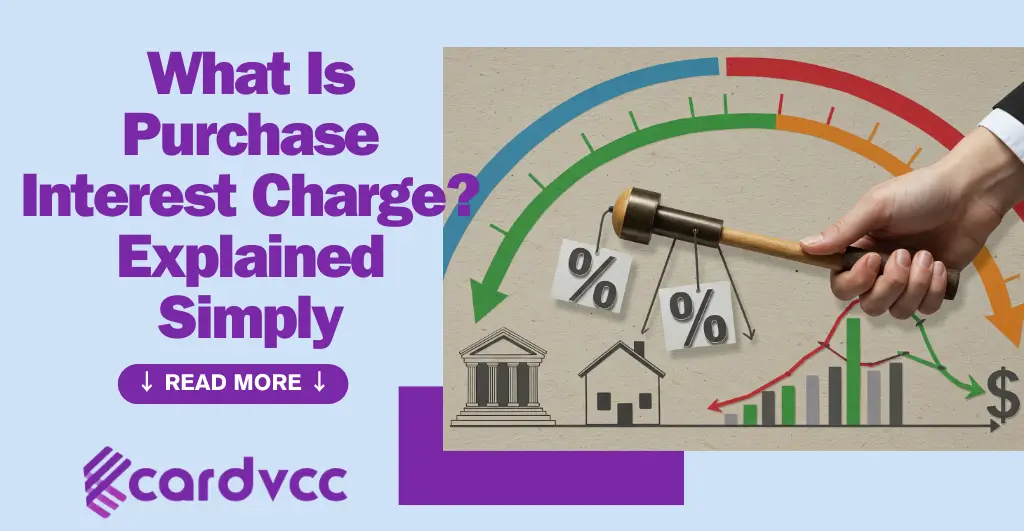
Understanding this charge can save you money and help you manage your credit card more wisely. You’ll discover exactly what a Purchase Interest Charge is, why it appears on your statement, and how you can avoid paying more than you should.
Purchase Interest Charge Basics
Understanding the What Is Purchase Interest Charge Basics helps you manage credit card costs better. This charge appears when you carry a balance from purchases on your credit card. Knowing how it works can save money and avoid surprises on your billing statement.
Definition And Purpose
The Purchase Interest Charge is the fee a credit card issuer adds when you do not pay your full purchase balance by the due date. This charge is a percentage of the amount you owe for buying goods or services on your card.
This interest is calculated daily or monthly, depending on your card’s terms. It covers the cost for the lender to let you borrow money.
- Applied to Purchases made with the credit card.
- Charged when: The full purchase balance is not paid by the billing cycle’s due date.
- Rate type: Usually a variable annual percentage rate (APR).
- Purpose: To compensate the card issuer for lending money for purchases.
| Feature | Details |
|---|---|
| Interest Type | Purchase Interest |
| Trigger | Unpaid purchase balance after due date |
| Rate | Variable APR, often 12% to 25% |
| Calculation Method | Daily or monthly compounding |
How It Differs From Other Interest Charges
The purchase interest charge is not the only fee that credit cards can apply. It differs from other interest charges in key ways. Knowing these differences helps you manage your credit card use wisely.
Common interest types include:
- Cash Advance Interest: Charged on cash withdrawals from your credit card. Usually, higher rates and no grace period.
- Balance Transfer Interest: Applied when you move debt from one card to another. Rates may differ from purchase interest.
- Penalty Interest: Charged if you miss payments or break terms. Often the highest rate.
| Interest Type | When Applied | Typical APR | Grace Period |
|---|---|---|---|
| Purchase Interest | Unpaid purchase balance | 12% – 25% | Usually, yes, if full payment is made |
| Cash Advance Interest | Cash withdrawals | 20% – 30%+ | No |
| Balance Transfer Interest | Transferred balances | Varies (often promotional) | Often no grace period |
| Penalty Interest | Late or missed payments | 25% or higher | No |
Purchase Interest usually has a grace period. This means you can avoid interest by paying the full balance on time. Other types often start charging interest immediately.
When Purchase Interest Applies
Understanding when purchase interest applies helps you manage credit card costs better. Purchase interest charges happen after the interest-free period ends or if payments are missed. This charge is part of the finance charges that add to your outstanding balance. The timing of your credit card payment directly affects whether you pay interest or not. Knowing these details saves money and avoids unexpected late payment fees.
Typical Scenarios
Purchase interest usually applies in specific situations involving your billing cycle and payment habits. Understanding these scenarios helps avoid unnecessary credit card interest. Here are common cases where purchase interest starts:
- No Full Payment by Due Date: If you do not pay your total balance by the payment due date, interest accrues on the remaining amount.
- Partial Payments Made: Paying less than the full balance triggers purchase interest calculation on the unpaid portion.
- No Interest-Free Period: Some cards have no grace period, so interest starts from the purchase date.
- Cash Advances: These often incur interest immediately, without any grace period.
Below is a simple table showing when purchase interest applies based on payment and billing cycle:
| Scenario | Interest Applies? | When Interest Starts |
|---|---|---|
| Full balance paid on time | No | Not applicable |
| Partial payment made | Yes | From the purchase date or after the grace period |
| No payment made | Yes | From the purchase date or after the grace period |
| Cash advance taken | Yes | Immediately |
Impact Of Payment Timing
Payment timing greatly influences how much purchase in the rest you pay. The payment due date marks the deadline for avoiding interest and fees. Paying before this date keeps your balance free of credit card interest and late payment fees. Here are key points about timing:
- Paying in Full on or Before Due Date: Use the interest-free period fully to avoid all purchase interest.
- Partial Payment: Interest accrues on the unpaid part from the purchase date or the end of the grace period.
- Late Payment: Interest starts earlier, and late payment fees add to the outstanding balance.
- Missed Payment: Leads to immediate rest of the cruel and possible penalty rates.
Here is an example of how payment timing affects the interest:
| Payment Timing | Interest Charged | Additional Fees |
|---|---|---|
| Full payment before due date | None | None |
| Partial payment before due date | Interest on the unpaid balance | None |
| Payment after due date | Interest on the full balance | Late payment fees |
| No pthe ayment | Interest on the full balance | Late payment fees, possible penalty APR |
Always check your billing cycle and payment due date. Timely payments reduce finance charges and keep your credit healthy. Managing payment timing helps control purchase interest calculation and avoid surprises in your monthly statements.
Calculating Purchase Interest
Understanding how purchase interest is calculated helps manage credit card costs better. Purchase interest charge applies when you carry a balance on your card after the due date. Calculating purchase interest involves knowing the interest rate and the method your credit card issuer uses. This section explains key factors that affect interest rates and the common Daily Balance Method for computing interest. Clear knowledge of these will help you track and control your spending more wisely.
Interest Rate Factors
The purchase interest rate depends on several factors set by your credit card company. It is usually expressed as an Annual Percentage Rate (APR). This rate shows how much interest you pay yearly on your outstanding balance. Different cards and users have different APRs based on:
- Credit Score: Higher scores often get lower APRs.
- Card Type: Rewards cards may have higher rates.
- Market Rates: Changes in the economy influence APRs.
- Promotional Offers: Introductory rates can be lower for some months.
- Issuer’s Policy: Each bank sets its own rate rules.
Here is an example of typical APR ranges:
| Credit Score Range | Possible APR Range |
|---|---|
| Excellent (750+) | 12% – 18% |
| Good (700-749) | 15% – 22% |
| Fair (650-699) | 20% – 25% |
| Poor (below 650) | 25% – 30%+ |
APR can be fixed or variable. Variable rates change with market indexes. Fixed rates remain stable but can change after notice. Knowing your interest rate helps estimate how much extra you pay on purchases over time.
Daily Balance Method
The Daily Balance Method calculates interest based on your balance each day in the billing cycle. It considers changes in your balance due to purchases, payments, or fees daily. This method is common and fairly simple to understand. Here is how it works:
- Calculate the daily interest rate by dividing the APR by 365.
- Record your balance for each day of the billing period.
- Multiply each day’s balance by the daily interest rate.
- Add all daily interest amounts to get the total interest charge.
For example:
| Day | Balance ($) | Daily Interest Rate (APR 18% / 365) | Interest for Day ($) |
|---|---|---|---|
| 1 | 500 | 0.0493% | 0.25 |
| 2 | 450 | 0.0493% | 0.22 |
| 3 | 400 | 0.0493% | 0.20 |
The total interest for these three days would be the sum: $0.25 + $0.22 + $0.20 = $0.67.
This method rewards paying down balances early in the cycle. Lower daily balances reduce the interest charged. Many credit cards use this method because it reflects your actual usage daily.
Avoiding Purchase Interest Charges
Understanding the Purchase Interest Charge Definition is essential for managing your credit card costs. This charge happens when the credit card balance is not paid in full by the due date. Avoiding Purchase Interest helps save money on unnecessary fees. It involves knowing your Credit Card Billing Cycle and using smart payment habits to prevent extra costs. Managing your payments carefully leads to better control of your finances. This section explains how to avoid these charges effectively.
Grace Periods Explained
A Grace Period is the time between the end of your Credit Card Billing Cycle and the payment due date. During this period, no Credit Card Finance Charges apply to new purchases. This means you can pay your balance without extra cost if you pay in full before the due date.
Here are key points about grace periods: to
- enthusiastically offer 21 to 25 days after the billing cycle ends.
- Eligibility: To enjoy the grace period, pay last month’s balance fully.
- No grace period: If you carry a balance, new purchases may start to earn interest immediately.
| Term | Description |
|---|---|
| Credit Card Billing Cycle | The period during which transactions are recorded, typically 30 days. |
| Grace Period | Interest-free time after the billing cycle ends for full payment. |
| Purchase Interest Charge | Interest is added when full payment is not made by the due date. |
Understanding grace periods helps in Managing Credit Card Debt. Missing a full payment means losing the grace period and paying more interest. Always check your card’s terms to know your exact grace period length.
Strategies Foa r Full Payment
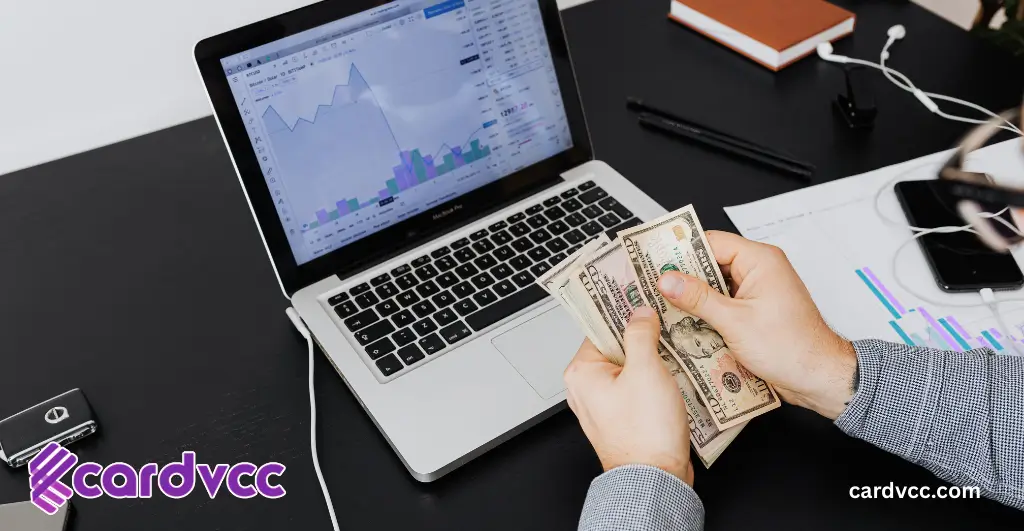
Paying your balance in full is the best way to avoid Purchase Interest Charges. Use these Balance Payment Tips to stay ahead:
- Track your spending: Know how much you spend during each billing cycle.
- Set payment reminders: Mark your payment due date on your calendar or phone.
- Pay early: Avoid last-minute payments by paying before the due date.
- Use automatic payments: Set up full balance payments to avoid missing deadlines.
- Check statements carefully: Confirm all charges are correct before paying.
Here’s a simple example of how full payment impacts interest:
| Scenario | Payment Amount | Interest Charged | Outcome |
|---|---|---|---|
| Full payment | $500 | $0 | No purchase interest charges |
| Partial payment | $300 | $15 | Interest on the remaining balance |
| Minimum payment | $50 | $45 | High interest and long debt period |
Following these Strategies For Full Payment reduces Credit Card Interest costs. Paying in full every month keeps your account healthy and avoids Credit Card Finance Charges. This habit is a key part of Managing Credit Card Debt well.
Effects On Credit Card Users
The purchase interest charge affects many credit card users daily. It is the fee charged by credit card companies on unpaid balances after the grace period ends. Understanding this charge is crucial because it impacts your finances and credit health. This section explains the effects of purchase interest charges on credit card users, focusing on the financial impact and credit score considerations.
Financial Impact
Purchase interest charges can quickly increase your credit card balance. This happens when you do not pay the full amount due each month. The longer you carry a balance, the more interest you pay. This extra cost can add up and affect your budget.
Here are some key points about the financial impact:
- Higher costs: Interest rates on purchases can range from 15% to 25% annually.
- Compound effect: Interest is charged on both the original amount and accumulated interest.
- Debt growth: Unpaid interest increases the total amount owed.
- Payment challenges: Minimum payments may mostly cover interest, not the principal.
The table below shows how purchase interest can increase debt over time with a $1,000 balance and 20% annual interest:
| Month | Balance Without Payment | Interest Charged That Month |
|---|---|---|
| 1 | $1,016.67 | $16.67 |
| 3 | $1,050.42 | $17.36 |
| 6 | $1,103.81 | $18.40 |
| 12 | $1,220.39 | $20.34 |
Small unpaid balances lead to bigger debts. Paying more than the minimum each month lowers interest costs. Plan payments carefully to avoid extra charges.
Credit Score Considerations
Purchase interest charges can indirectly affect your credit score. The credit score depends on payment history, credit utilization, and other factors. High balances due to interest charges can increase credit utilization, lowering your score.
Important points about credit scores include:
- Payment history: Late or missed payments hurt your score the most.
- Credit utilization: Using a large portion of your credit limit reduces your score.
- Debt levels: High balances increase risk in lenders’ eyes.
Here is how purchase interest charges affect credit score factors:
- Balance rises: Interest adds to your balance, increasing the utilization rate.
- Payment difficulty: Higher balances may lead to missed payments.
- Score drop: Late payments and high utilization lower the credit score.
Monitoring your credit card balances and paying on time helps maintain a good credit score. Avoid letting interest charges grow your debt. This keeps credit utilization low and payments manageable.
Common Myths And Misconceptions
Understanding the Purchase Interest Charge Definition helps avoid confusion around credit card fees. Many people have wrong ideas about how interest works with their credit card balance. These Common Myths and Misconceptions lead to extra costs and missed savings. Clarifying these myths improves control over finances and reduces unnecessary Finance Charges. This section clears up two major misunderstandings about credit card billing: Interest-Free Purchases and Minimum Payment Myths.
Interest-free Purchases
Many believe all purchases on a credit card are automatically interest-free if paid by the Payment Due Date. This is not always true. Interest-free periods depend on the Credit Card Billing Cycle and whether a balance was carried from the previous month.
Key points about interest-free purchases:
- New purchases may have an interest-free period if the previous balance was paid in full.
- If a Credit Card Balance remains unpaid, new purchases often start accruing interest immediately.
- Interest Calculation Methods vary by issuer, affecting when charges begin.
| Scenario | Interest on New Purchases | Notes |
|---|---|---|
| Previous balance fully paid | No interest if paid by due date | Standard interest-free period applies |
| Previous balance not paid in full | Interest starts immediately | Interest calculated on new purchases and oldthe balance |
Knowing these facts helps avoid unexpected Credit Card Interest Rates and saves money. Always review your billing statements and understand your card’s terms.
Minimum Payment Myths
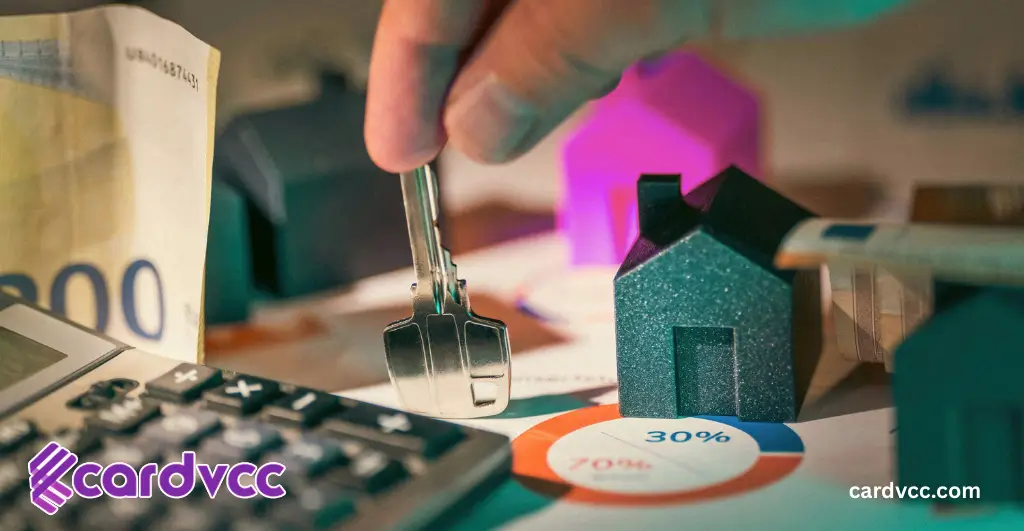
A common myth is that paying only the minimum payment avoids Finance Charges. This is incorrect. Minimum payments keep your account in good standing, but do not stop interest charges on your balance.
Here are important facts about minimum payments:
- Minimum Payment covers a small part of the total balance.
- The remaining balance accrues interest based on your Credit Card Interest Rates.
- Paying only the minimum extends debt and increases total interest paid.
Exam: The remaining impact:
| Payment Type | Time to Pay Off | Total Interest Paid |
|---|---|---|
| Minimum Payment | Several years | High interest |
| Full Balance | One billing cycle | No interest |
What Is A Purchase Interest Charge?
How Is Purchase Interest Calculated?
When Do Purchase Interest Charges Apply?
Can Purchase Interest Charges Be Avoided?
Conclusion
Purchase interest charge affects how much you pay on credit purchases. It adds extra cost if you don’t pay your balance on time. Knowing this helps you avoid surprise fees. Always check your credit card terms to see how interest is calculated.
Paying off your balance early can save money. Understanding the purchase interest charge gives you better control over your spending. Keep track of your payments to stay clear of extra charges. Simple steps can help you manage your credit wisely. This knowledge makes your financial choices smarter and easier.